
You run the business. Insurance shouldn’t slow it down.
Explore business insurance options based on the work you do and how you operate.
Request a quote
Submitting this form does not arrange insurance. We'll use your details to help progress your enquiry.
Don’t let insurance hold up the next job.
A new job, contract or piece of equipment can change the insurance your business needs. Knowing what’s required early means it can be sorted before work starts, so you can get on with the job.
New contract
Check what insurance the job requires before work starts, so paperwork doesn’t hold things up.
New vehicle
Make sure your cover includes the vehicle and how you use it, so there are no surprises later.
Bigger job
Check your insurance still matches the work, so your cover keeps pace as the business grows.
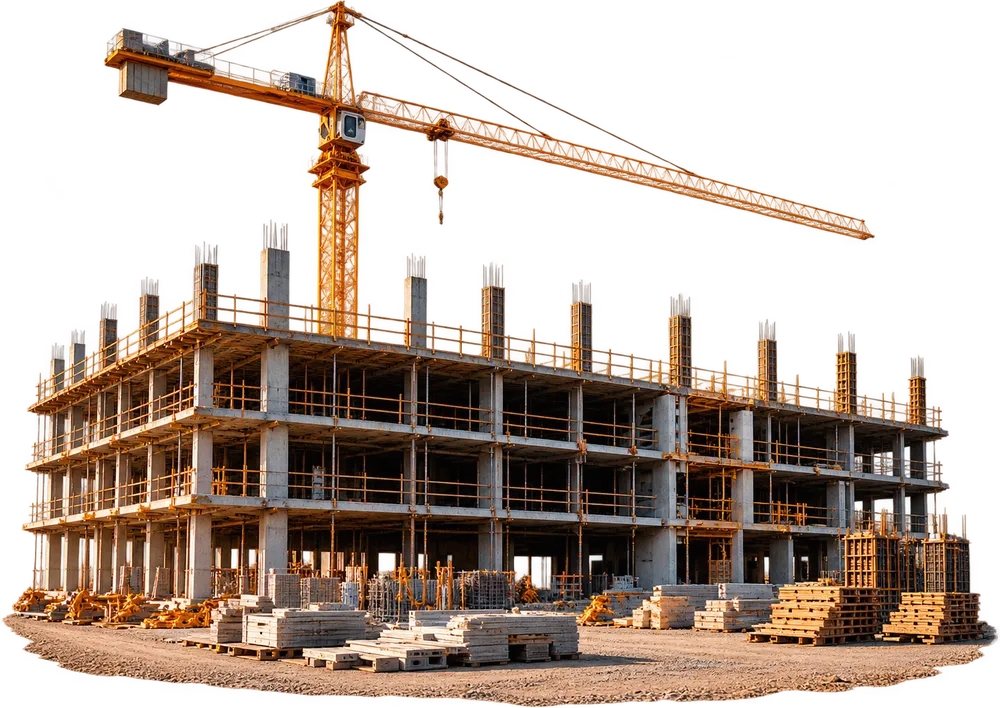
Protect the things that keep your business moving
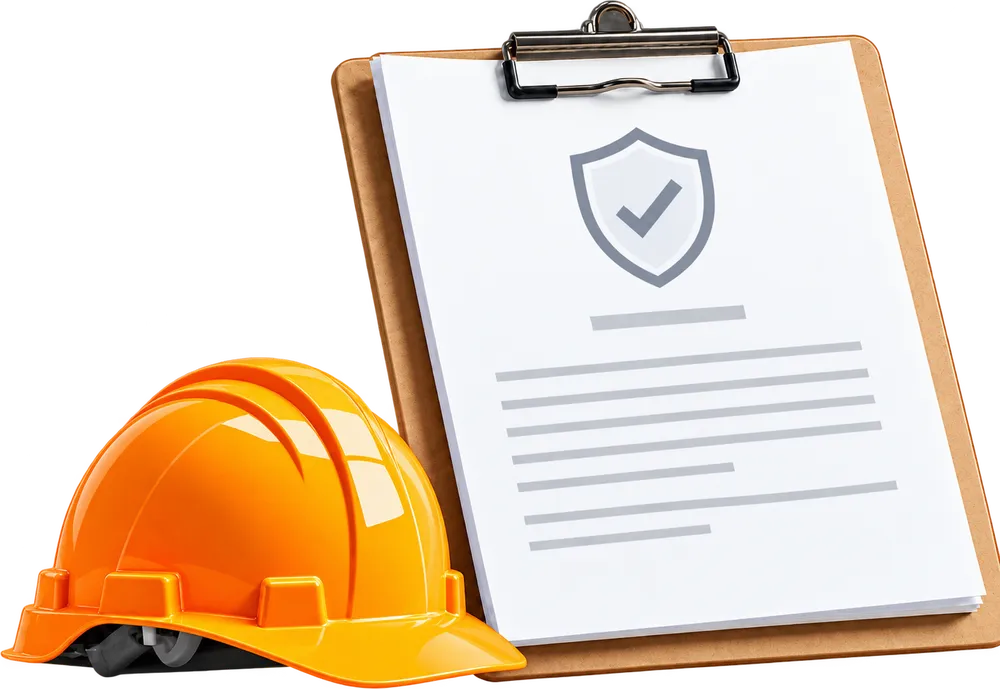
A job can expose your business to different risks, from damage to someone’s property and stolen tools to a crashed ute or damage to work before handover. Different insurance covers different parts of that risk.
Public liability insurance covers your legal liability if your business activities injure someone or damage property that isn't yours. For Australian trades and contractors it is usually the first policy a client, builder or site asks about, with limits of $5 million, $10 million or $20 million being the most common.
Learn more about public liabilityTools and equipment insurance, sometimes called general property or portable equipment cover, pays to repair or replace the tools your business uses if they are stolen, lost or accidentally damaged. For tradies the most common claim is theft from a ute, van or site, so the security conditions in the policy matter.
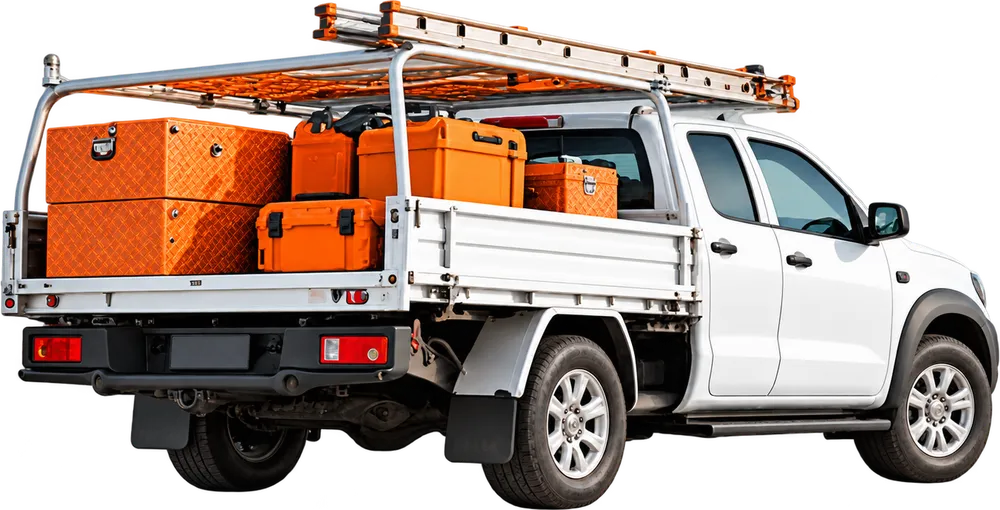
Learn more about tools and equipmentCommercial vehicle insurance covers utes, vans, trucks and other vehicles used mainly for business. It works like car insurance, with comprehensive or third-party options, but it is priced for business use, multiple drivers, signwriting, fit-outs and higher kilometres. CTP is separate and does not cover damage to vehicles or property.
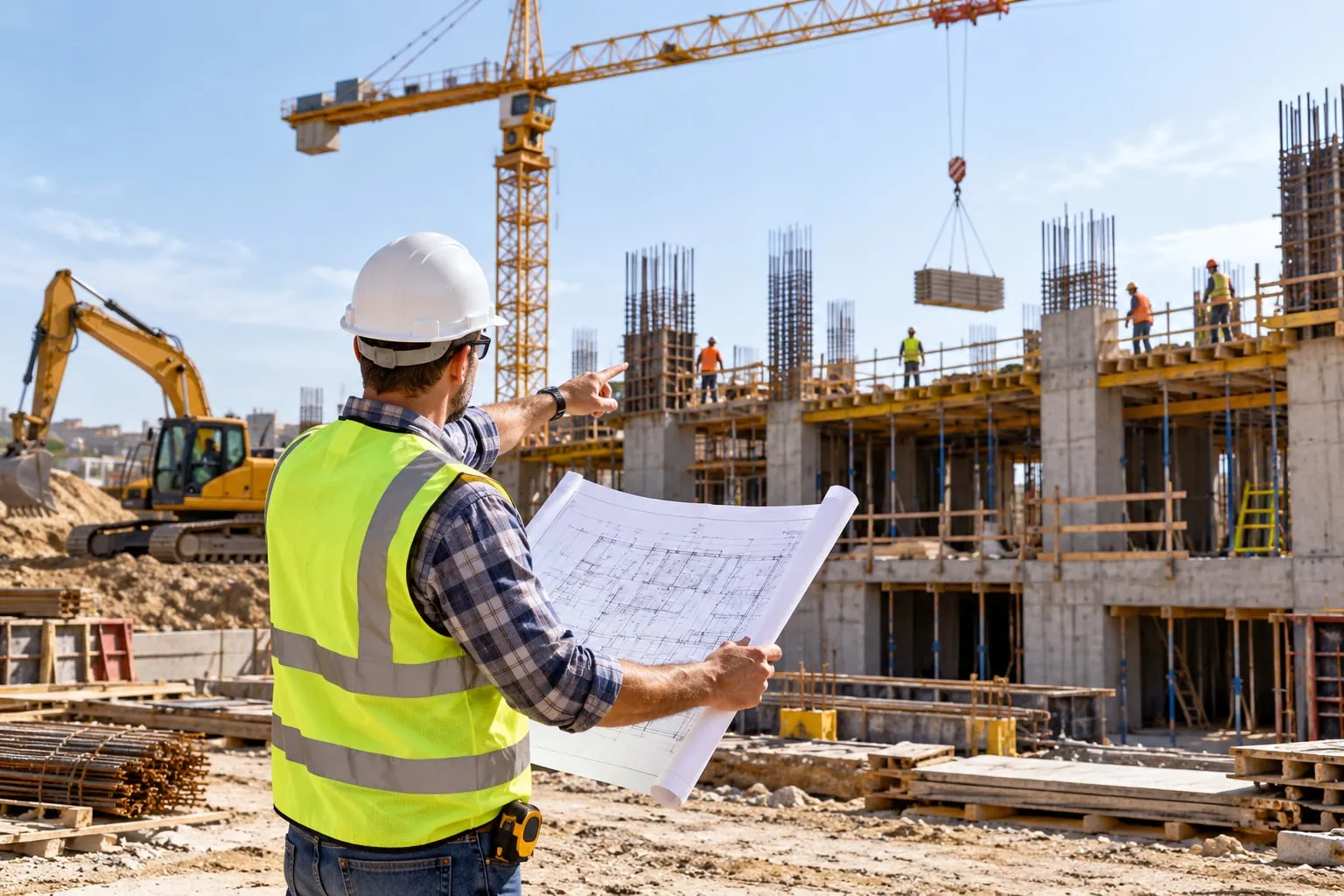
Learn more about commercial vehiclesContract works insurance covers loss or damage to construction work while it is underway, including the structure, materials on site and often temporary works. Depending on the policy wording, it can cover events like fire, storm, theft, vandalism and accidental damage before handover. It is separate from public liability, which covers damage to other people's property.
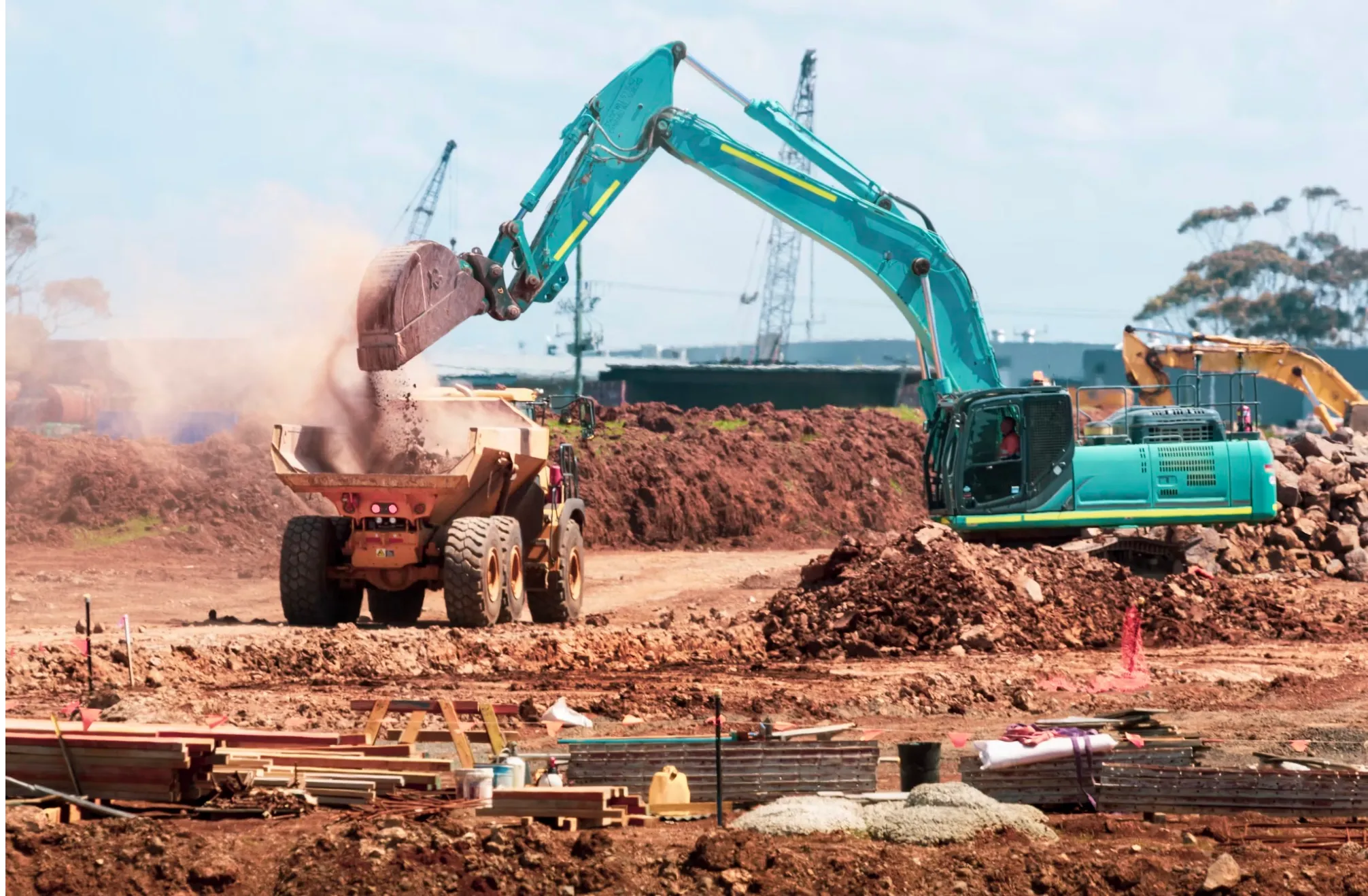
Learn more about contract worksPlant and equipment insurance, also called mobile plant and machinery cover, protects machines such as excavators, loaders, skid steers, rollers, cranes and generators against damage, theft and fire. It can also include liability while the plant is working and cover for plant you hire in from others.
Learn more about plant and equipmentPersonal accident and illness insurance pays a weekly benefit if you can't work because of injury or illness, and usually lump sums for serious injuries. It matters for sole traders and many working directors because workers compensation generally covers employees, not the business owner, so an injury can stop your income completely.
Learn more about personal accident and illness
Common questions
What's the difference between a broker and buying direct?
Buying direct generally means considering the products offered by one insurer. A broker may have access to products from multiple insurers and can help arrange cover, depending on their insurer panel and authorisations.
I already have insurance. How do I know it still fits my work?
Check that the activities listed on your policy match the work you're doing now, that the limits meet what your clients and sites ask for, and whether anything has changed since you took it out, such as new staff, equipment, vehicles or a new type of contract. Insurance that fitted last year's jobs might not fit the job you just won.
Is Fahrenheit an insurance company?
No. Fahrenheit is not an insurance company and doesn't issue policies. We publish general information about business insurance and take quote requests. Submitting a quote request does not arrange insurance.
How much public liability cover do construction businesses usually carry?
Limits of $10 million and $20 million are the most common in construction. The amount is usually set by the head contract, principal or site rather than chosen freely, and larger or higher-risk projects can ask for more. The insurance clause in the contract will state the figure.
Does public liability cover damage to my own work?
Generally no. Public liability is designed for injury to other people and damage to their property. Damage to the project you are building, or to your own materials, is usually a contract works matter, and your own tools are usually covered under tools and equipment insurance.
Does my public liability cover subcontractors working for me?
It depends on how the policy is set up. Some policies cover your liability for work you subcontract, while insurers often expect subcontractors to hold their own public liability. Many head contractors collect a certificate of currency from each subcontractor before they start.
What happens if I need to make a claim?
Generally you tell your insurer or broker as soon as possible, record what happened with photos and notes, avoid admitting fault, and keep receipts for any urgent repairs. The insurer will assess what happened against your policy terms, including your cover, exclusions and excess. Our claims guide walks through the steps in more detail.