
The afternoon storm
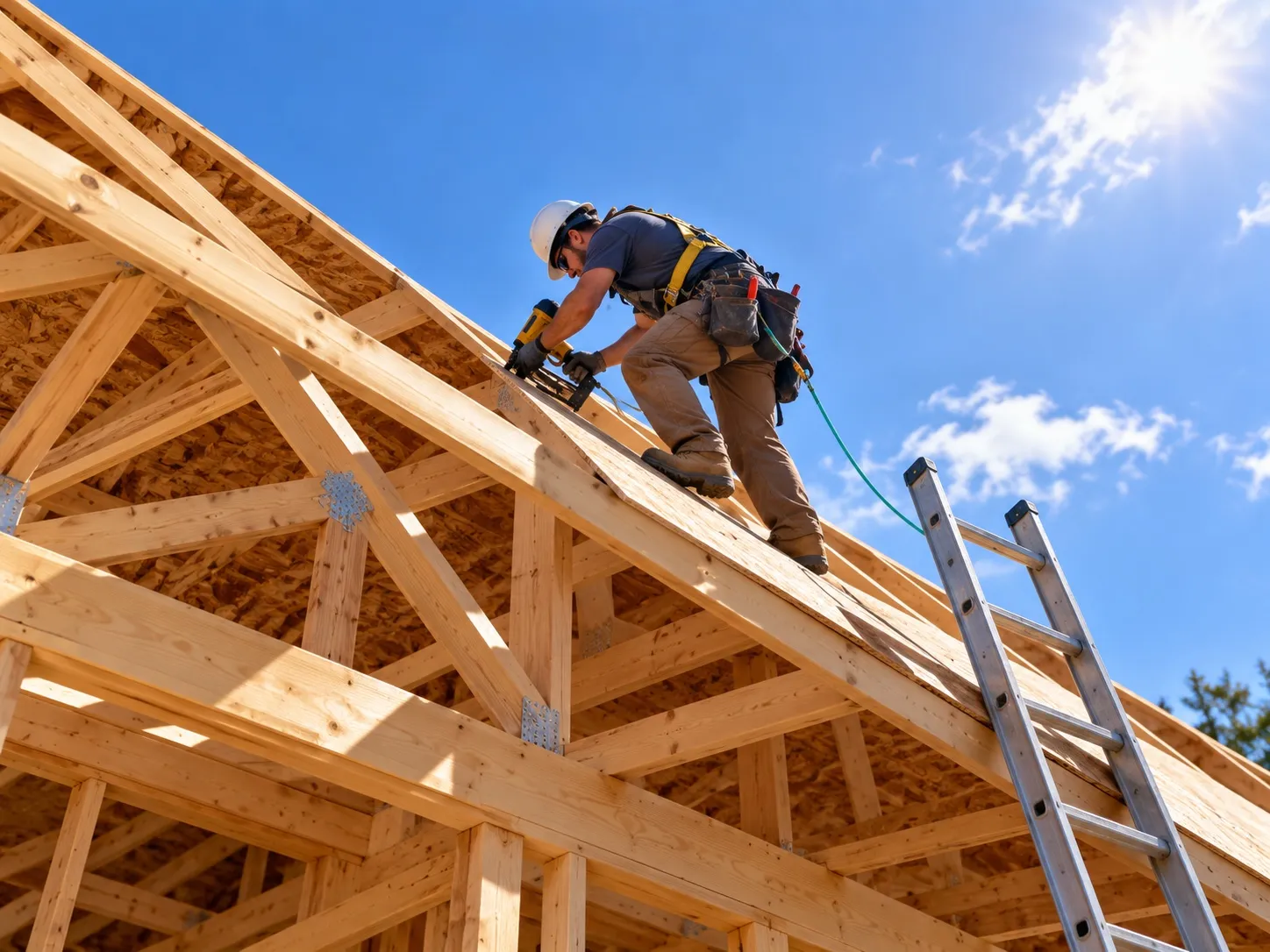
A roofer strips half a roof in the morning and a storm arrives early. Water damages ceilings and carpets inside. Whether public liability responds depends on the policy's conditions about protecting open roofs.
Understand the cover roofers commonly use, what clients and sites ask for, and when it gets more complicated.
Request a quote
Submitting this form does not arrange insurance. We'll use your details to help progress your enquiry.
The short answer
Roofers in Australia usually carry public liability insurance, often $10 million or $20 million, plus tools and vehicle cover. Roofing is rated as higher risk than most trades because of falls, dropped materials, water getting in during work and heat-applied membranes, so fewer insurers offer cover and the activities you declare matter a lot.
Common cover
Most roofers build their insurance from a few separate policies. These are the ones that come up most, and why they matter for this kind of work.
Covers rain damage to a client's home while the roof is open, materials falling on people or cars, and other third-party damage. Roofing is one of the trades where the wording matters most.
Roofing tools, safety gear, ladders and portable equipment.
Utes and trucks carrying sheeting, ladders and materials.
A fall can mean months off work. Sole traders are usually not covered by workers compensation for their own injuries.
Larger re-roofing and new-build projects may require it under the contract.
When it gets harder
Even a straightforward residential roofer is a specialist risk for many insurers. Some activities narrow the market further.
A sudden storm while a roof is stripped is a classic roofing claim. Some policies have conditions about covering open roofs, and following them decides whether the claim is paid.
Heat-applied waterproofing carries a fire risk. Many insurers exclude it or apply strict hot work conditions.
Policies can restrict roof work above a certain height or number of storeys unless it is declared.
Removing or working near asbestos roofing is typically excluded from public liability. It usually needs specialist cover and licensing.
Illustrative examples
These are illustrative examples, not real clients, showing how the work changes the insurance.
A roofer strips half a roof in the morning and a storm arrives early. Water damages ceilings and carpets inside. Whether public liability responds depends on the policy's conditions about protecting open roofs.
A residential roofing business is offered a warehouse re-roof. The builder wants $20 million liability and the job involves torch-on membrane. Their current insurer excludes heat application, so the work needs to be checked against cover before they quote.
Cost
Roofers generally pay more than most trades. These factors move the price most.
| Factor | Impact | Why it matters |
|---|---|---|
| Type of roofing work | Major | Restoration, new roofing, commercial, membranes and repairs are rated differently. |
| Heat application | Major | Torch-on work can significantly change price and availability. |
| Height and storeys | Moderate | Taller buildings increase risk. |
| Turnover and staff | Moderate | More jobs and crew mean more exposure. |
| Claims history | Major | Water damage claims are closely scrutinised. |
Common questions
Roofing combines falls, dropped materials, rain getting into open roofs and sometimes heat application. Insurers see more and bigger claims from roofing, so fewer insurers offer cover and premiums are higher.
It can, but many policies have conditions about protecting the roof when it is open, such as tarping and watching the weather. If the conditions aren't met, the claim may be reduced or declined.
Often not by standard policies. Heat-applied work is commonly excluded or needs to be specifically declared and accepted with hot work conditions.
Asbestos is generally excluded from standard public liability. Licensed asbestos removal needs specialist cover.
This page is general information only. It does not take into account your objectives, financial situation or needs, and it is not a recommendation to buy any insurance product. Always read the policy wording and, where applicable, the Product Disclosure Statement.
Request a quote
Tell us your trade or industry. It only takes a moment to get started.
Request a quote
Submitting this form does not arrange insurance. We'll use your details to help progress your enquiry.